
Why Balcony Storage Matters in Latvia
Latvian flats are notoriously compact. Most apartments have maybe 50-70 square meters of living space, and that's before you factor in the long winters where you've got winter tires, holiday decorations, and seasonal gear taking over every closet. Your balcony? It's your secret weapon.
The thing is, your balcony sits unused most of the year in many homes. It's either empty or cluttered with stuff nobody wants to look at. But with the right storage setup, you can transform it into an organized, weatherproof system that keeps your seasonal items safe while actually making your balcony more attractive. You'll free up indoor space, protect your belongings from the elements, and create a storage zone that's easy to access when you need it.
The Baltic climate isn't forgiving. We're talking temperature swings from -15°C in January to +25°C in summer, humidity from sea air, and snow that sits for months. Your storage solution needs to handle all of that without breaking down or letting moisture in. That's where smart weatherproofing comes in.
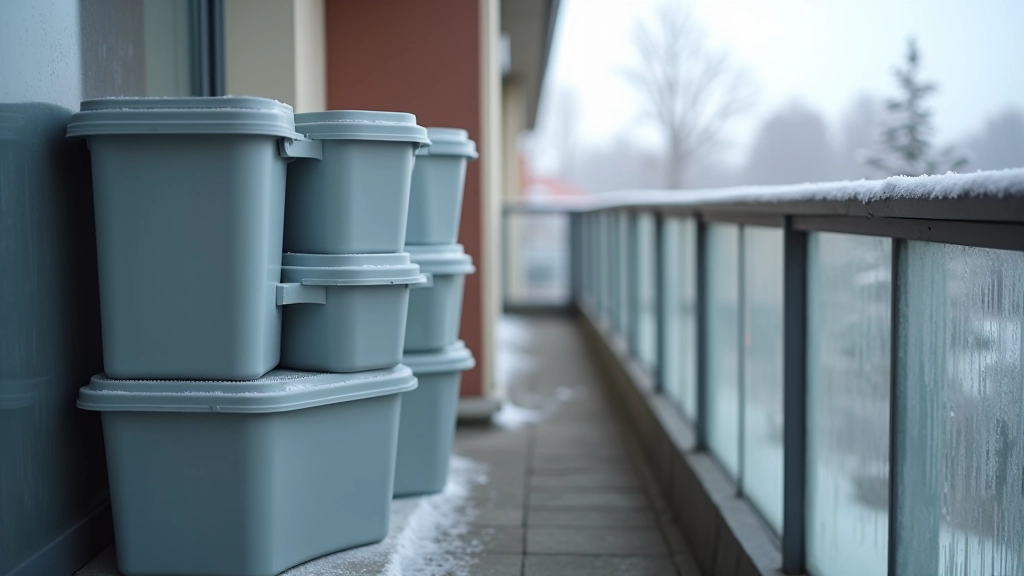
Choosing the Right Storage Containers
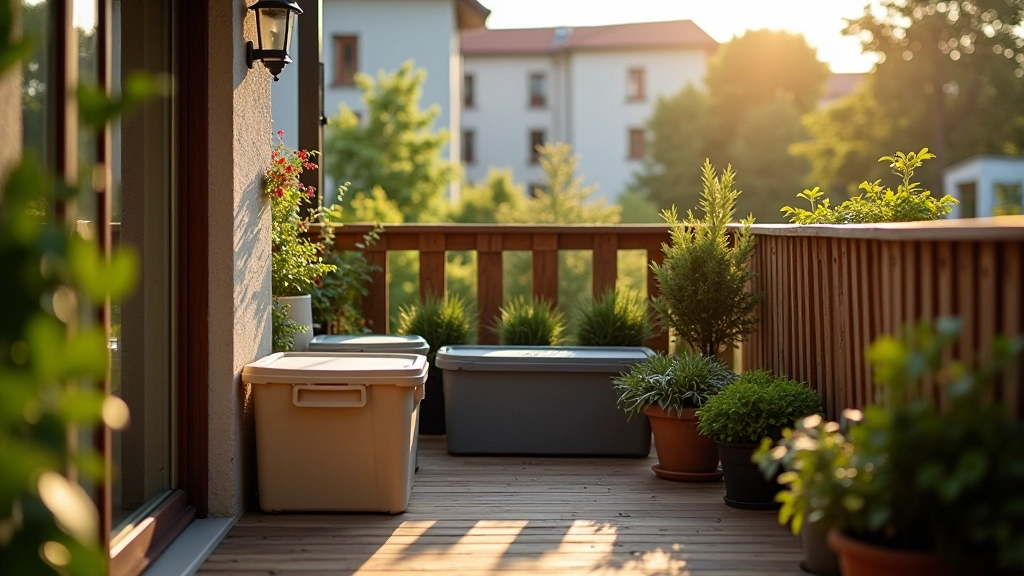
Not all storage boxes are created equal. You need containers that'll survive Latvia's temperature extremes without cracking or warping. Here's what works:
Heavy-Duty Plastic Boxes
Look for containers rated for -20°C and up. Brands like Curver and Kis (both available at Depo) make boxes with reinforced corners and tight-sealing lids. They're not cheap — around €30-50 each — but they'll last 8-10 years without degradation.
Metal Storage Chests
Galvanized steel is your friend. It won't rust in Latvia's damp climate the way regular iron does. Yes, they're heavier and harder to move, but the durability is worth it. Plus they look more intentional on a balcony.
Wooden Storage Benches
If you want something that blends with your balcony aesthetic, composite wood (like Trex-style material) resists moisture better than regular wood. They're pricier but won't warp from freeze-thaw cycles.
Pro Tip: Test Seals in Winter
In November, fill a test container with newspaper and leave it on your balcony for 2-3 weeks. Check inside. If there's any moisture or dampness, that lid isn't sealing properly. Replace it before you store anything valuable.
Layout & Organization Systems
Just throwing boxes on a balcony isn't a system. You need actual organization. Start by measuring your balcony. Most Latvian apartment balconies are 6-8 square meters, and you're working with that space for storage, maybe some seating, and space to move around.
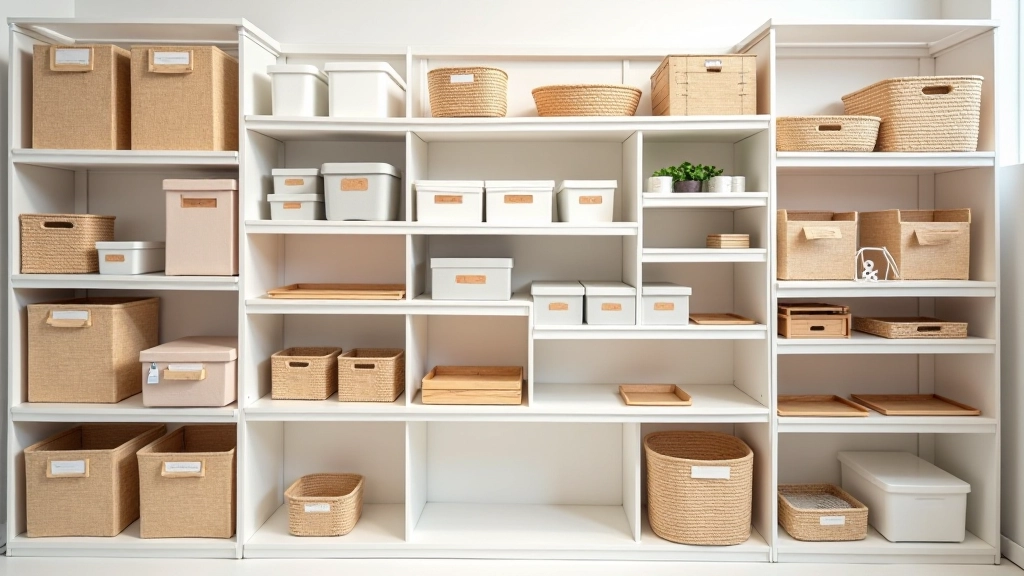
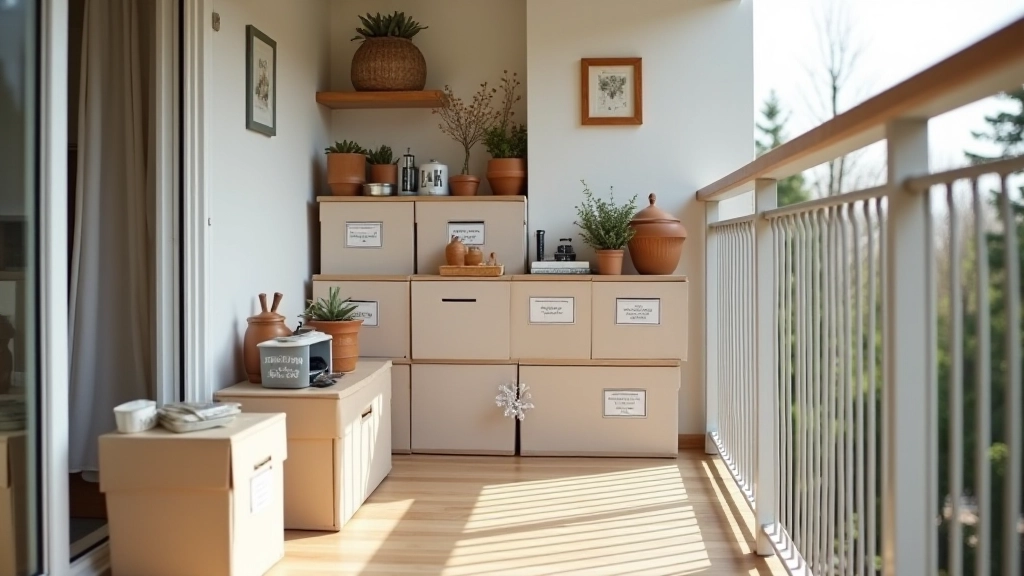
Here's the approach we recommend: Create zones. Assign one corner for seasonal clothing (winter coats, ski jackets). Another for holiday decorations. A third for sports equipment or tools. This way, when you need something in March, you know exactly where to look instead of opening every box.
Stack strategically. Heavy items go on the bottom. Lighter boxes on top. Don't stack higher than shoulder height — it becomes a safety risk if something falls, plus you won't actually use the top boxes because they're impossible to reach. Three boxes high is usually the max.
Label everything. Seriously. Get a label maker or use waterproof tape and a permanent marker. "Winter Clothes — Size M" is infinitely better than opening three boxes in January because you forgot what's in them.
Weatherproofing Techniques That Actually Work
The difference between a storage system that lasts and one that fails in three years is weatherproofing. You can't just rely on the box's original seals. Latvia's climate is too aggressive.
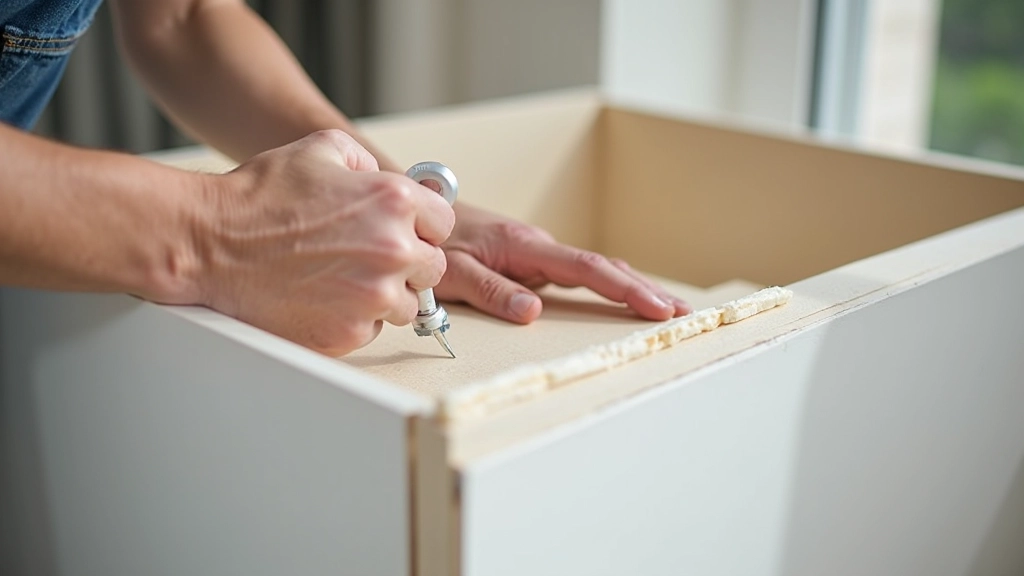
Add weatherstripping to every box. Adhesive foam weatherstripping (available at Mēbeļu Centrs for €5-8 per roll) goes around the inside edge of every lid. It creates a tighter seal and prevents condensation from getting inside. Replace it every 2-3 years as the foam degrades.
Silicone sealant is your secret weapon. Apply a thin bead of waterproof silicone where the lid meets the box. Let it cure for 24 hours. It'll add months to the life of your storage system by preventing water from seeping into corners. You'll need to reapply annually.
Raise boxes off the floor. Either use concrete blocks, wooden pallets, or purpose-built feet. This prevents moisture from wicking up from the balcony surface. Even 10cm of clearance makes a huge difference. Standing water on a balcony will find its way into any box that's sitting directly on it.
Cover with a tarp during winter. If your balcony allows it, drape a breathable tarp over your storage area from November through March. This protects from snow accumulation and direct moisture exposure. Just make sure it's breathable (not solid plastic) so you don't trap humidity underneath.
Budget Breakdown for a Complete Balcony Storage System
Total: €195-310 for a functional system that'll handle 8-10 years of Latvian winters.
Maintenance Schedule & Long-Term Care
Your balcony storage system isn't set-and-forget. It needs regular maintenance to stay weatherproof.
Clean all boxes inside and out. Check for cracks or damage from winter. Inspect seals and replace weatherstripping if it's compressed or peeling.
This is maintenance-light season. Just make sure nothing's shifting in the wind and lids are closing properly. If you notice any odors from inside boxes, open them up for ventilation on a dry day.
Prepare for winter. Reapply silicone sealant to any areas where it's cracking. Test all seals by running water along the edges — if it gets inside, the seal's failed. Replace weatherstripping before it gets cold.
Check after heavy snow or ice storms. Make sure weight isn't compressing your system. Clear snow buildup around boxes to prevent moisture accumulation.
"When I first set up my balcony storage, I thought I was being overly cautious with the weatherproofing. Turned out I wasn't cautious enough. The first winter I found moisture inside two boxes. After I added the weatherstripping and started resealing annually, problem solved. Now my system's been working for 6 years without issues."
Making It Work Year After Year
Maximizing balcony storage in a Latvian flat isn't complicated. You need the right containers, proper weatherproofing, smart organization, and regular maintenance. That's it. Start with four large plastic boxes, add weatherstripping, raise them off the floor, label everything, and you've got a functional system.
The key thing to remember: don't cheap out on the initial investment. A €40 plastic box that lasts 8 years is way better than a €15 box that fails after one winter. Your balcony storage is protecting items that matter to you. It deserves a proper setup.
You'll reclaim interior closet space. You'll have easy access to seasonal gear. And you'll actually be able to use your balcony without it looking like a storage yard. That's worth the effort.